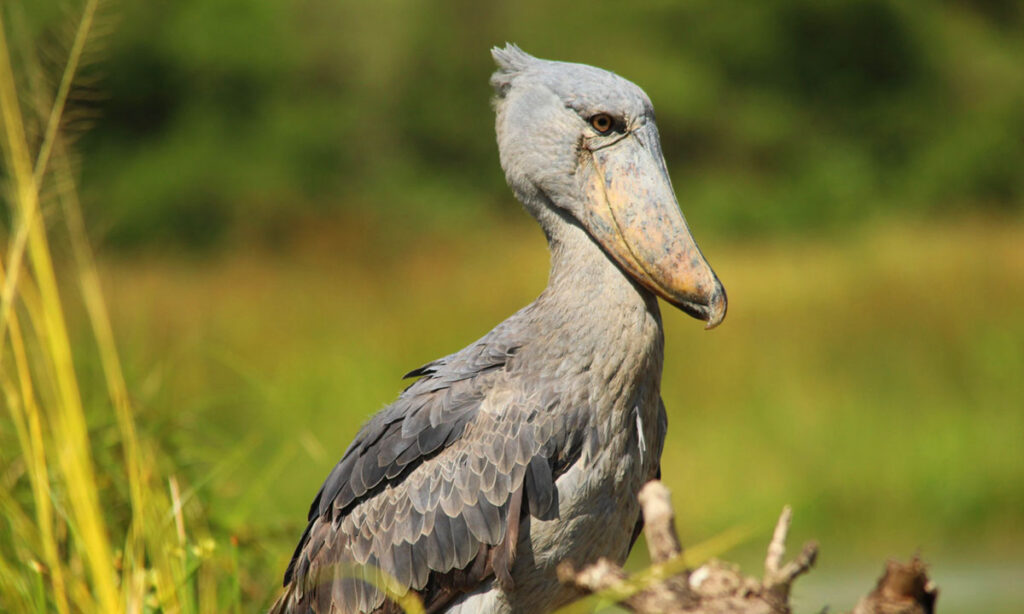
A prehistoric-looking shoebill uses its powerful beak to snatch up a fishy meal. The Birdlife of Murchison Not to be upstaged by the mammal abundance, the birds of Murchison Falls present an equally spectacular profusion with over 450 recorded species.
Must-See Birds
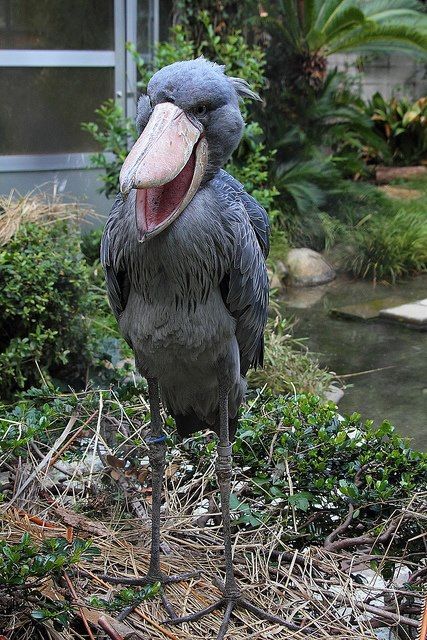
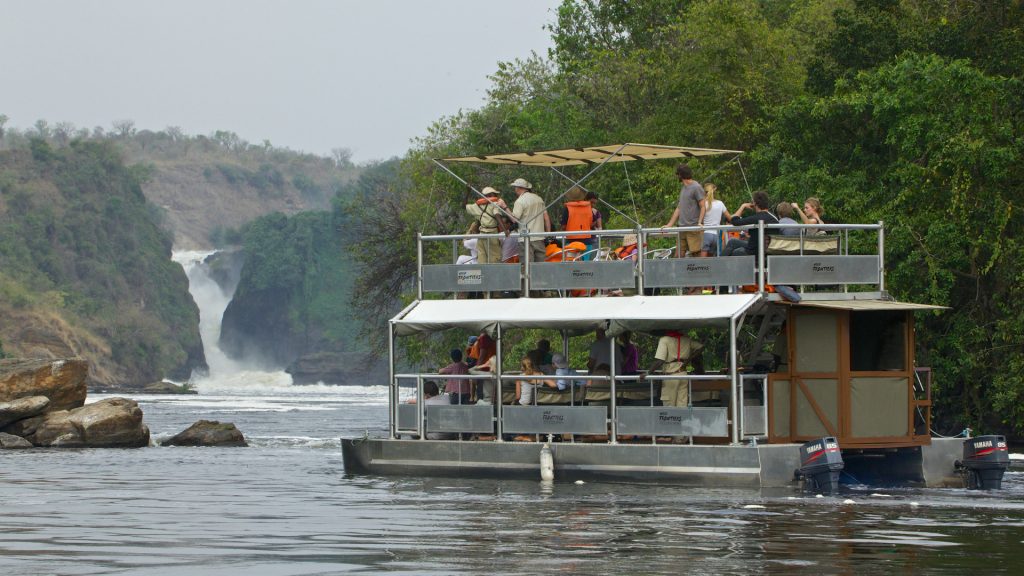
For birders and non-birders, the prehistoric Shoebill is high on the list of must-sees, and the swampy delta of the Nile and Lake Albert is one of the best places to spot one. Birders can cruise the river, scanning the reeds for a flash of slate-grey feathers and listening out for the characteristic call of the black-headed gonolek or checking closer to the waterfall for rock pratincoles.
Exploring the Royal Mile
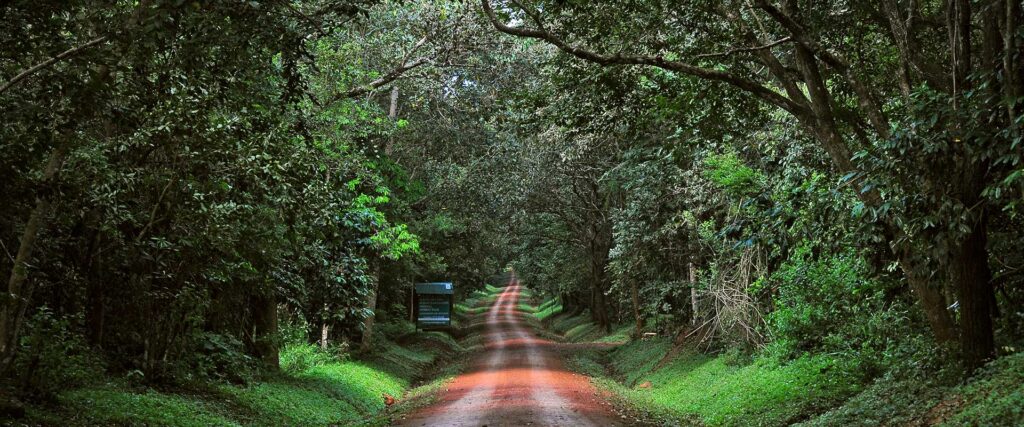
The next step for avian enthusiasts is a trip along the Royal Mile in the Budongo Forest Reserve. White-thighed hornbills fill the air with their loud croaks while Nahan’s francolins, Cassin’s and Savine’s spinetails, blue-throated rollers, Ugandan woodland-warblers and tiny chocolate-backed kingfishers are all present along the mythical Royal Mile.
Diverse Avifauna
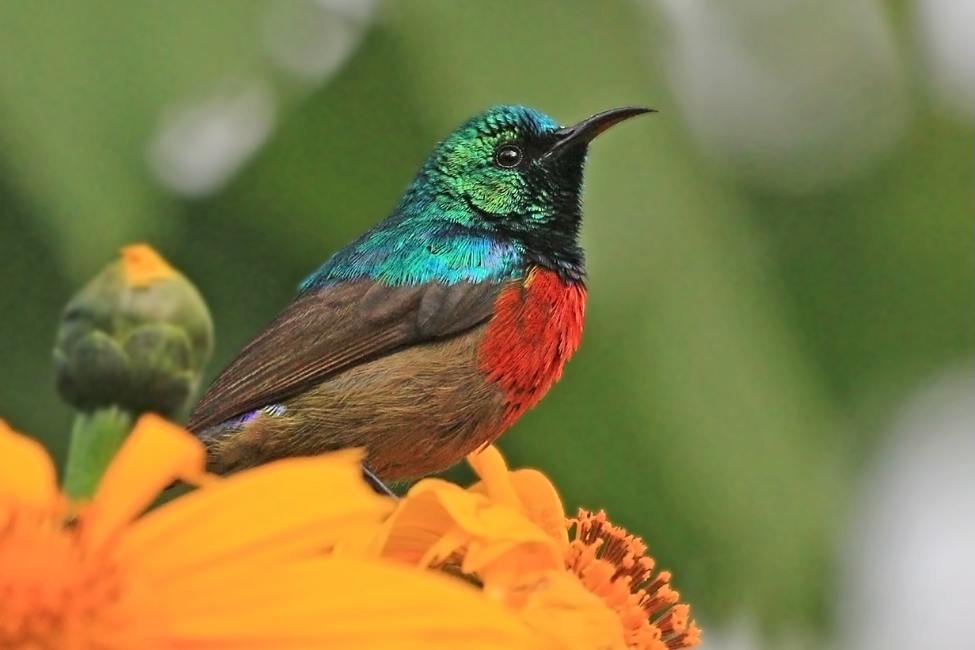
The list of exciting birds to spot in Murchison Falls is seemingly endless: brown twinspots, red-throated bee-eaters, northern carmine bee-eaters, blue swallows, Abyssinian ground hornbills and Beaudouin’s snake-eagle. From the aptly named beautiful sunbird to the genuinely great and decidedly blue great blue turaco, even non-birders will find themselves appreciating the diverse avifauna of Uganda.
Safari Experience
The Nile River and its tumbling falls offer the perfect backdrop for a relaxing safari experience. Explore & stay The exceptional variety on offer in Murchison Falls spills over into experiences and accommodation options. There are numerous basic yet pleasant camping sites and lodges for the more budget-restricted traveller, and the year-round warm climate makes camping a convenient and cheap possibility.
Accommodation and Precautions
However, it is essential to remember that tsetse flies are present in the park, and precautions should be taken to keep them at bay. For those keen on an even more intimate natural immersion, arrangements can be made to camp in a private section of the park with an armed ranger.

Getting Around
Self-drive through the park is permitted, though this should be done with some forethought and planning, including factoring in a ferry ride to cross the Nile from one side of the park to the other. There are a handful of lodges that offer exclusive accommodation and facilities, including a vehicle and guide to make the most of the safari experience.
Best Time to Visit
Weather-wise, Murchison Falls has something to offer all year round. The dry seasons from June to August and December to March offer the best wildlife viewing, and the entire park will be accessible. The Nile is also relatively low, making the dry season the best time to view the falls.
Unique Experiences
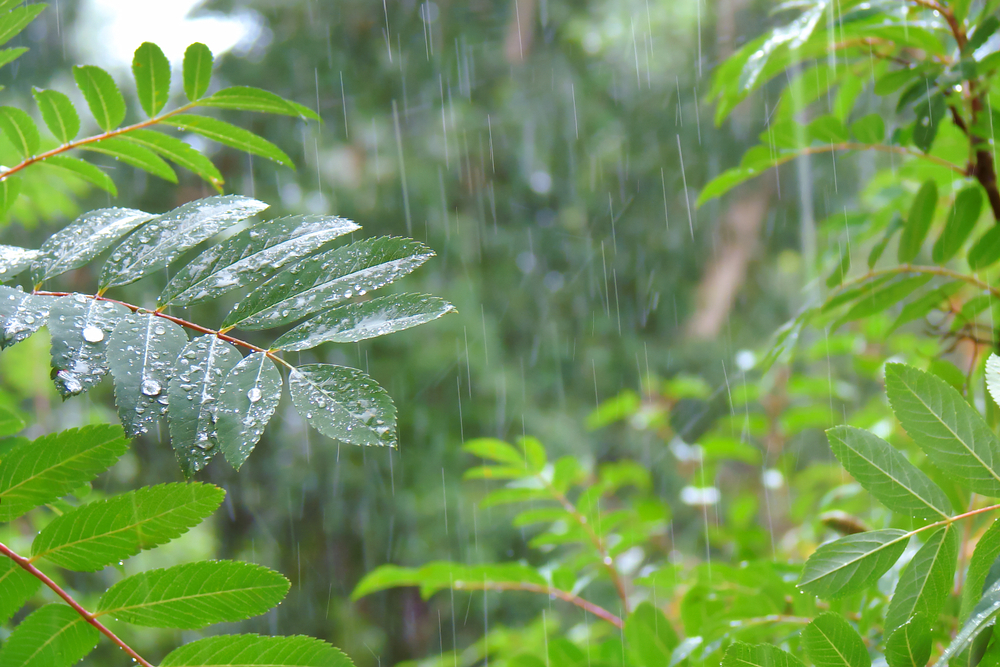
The rainy seasons are best enjoyed by the more relaxed traveller, content on enjoying lower rates, a quieter park, green surroundings and the best birding. It is also possible to view the park from a hot air balloon. The experience of silently gliding through the sky and watching the landscape racing below is exciting and evocative.
Conservation Efforts
Murchison Falls – a park on the rise Whatever its history, Murchison Falls National Park has its gaze fixed firmly on the future. Careful planning has created a positive feedback loop of increased tourism and improved conservation measures. Step by step, the park is well on its way to returning to its historical place as one of Africa’s most prized safari destinations.