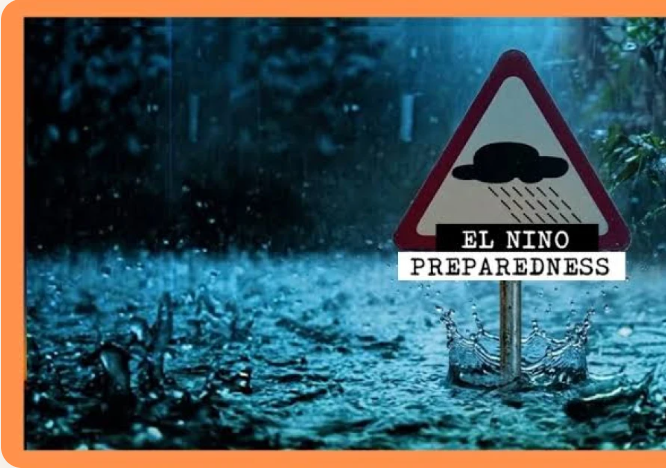
The Ministry of Health has officially activated its national emergency preparedness framework following meteorological forecasts indicating a 99 percent probability of heavy El Niño rains during the upcoming October–December rainy season.
The directive, issued by Public Health and Professional Standards Principal Secretary Mary Muthoni, places all 47 counties on high alert while designating 18 counties as high-risk zones prone to severe flooding and waterborne disease outbreaks. According to health officials, persistent downpours present elevated risks of cholera, malaria, vector-borne infections, and acute respiratory illness due to floodwater contamination and population displacement.
“We have pre-positioned essential medical supplies, water purification chemicals, and emergency response kits in high-risk areas,” [PS Muthoni said during a public health briefing in Nairobi]. “Our surveillance systems are fully operational to detect and control potential disease outbreaks early.”
The Ministry has instructed county health executives to stock adequate medical supplies, maintain functional cold-chain storage for vaccines, and mobilize community health promoters to educate residents on sanitation, safe drinking water, and hygiene standards. National rapid response teams have been deployed to coordinate multi-sectoral logistics alongside county health facilities in vulnerable riverine basins and urban lowlands.
To mitigate health facility disruptions, public safety authorities are auditing health center infrastructure in flood-prone locations to prevent structural flooding and power outages. The health ministry is collaborating with the World Health Organization and local humanitarian organizations to establish temporary mobile clinics in counties prone to emergency evacuations.
“We are urging county governments to ensure that all local health facilities are well-equipped and health workers are prepared for rapid deployment,” [Muthoni added].
The national government maintains that emergency health response protocols are synchronized with regional disaster management committees. Public health authorities continue to urge members of the public, particularly those in flood-prone regions, to treat drinking water and report suspected disease cases to local health personnel immediately.